Quicklinks





Restitution of Jewish Cultural Property
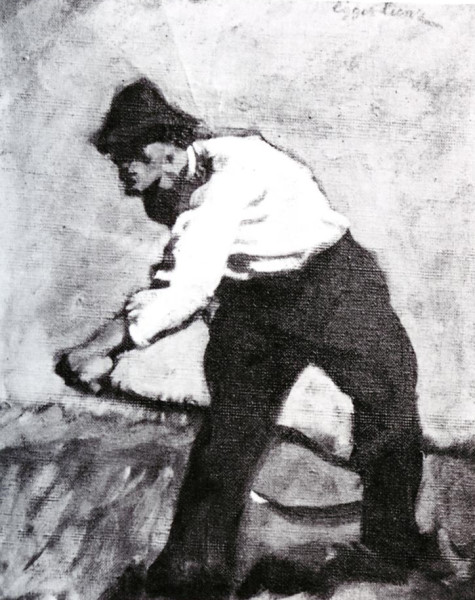
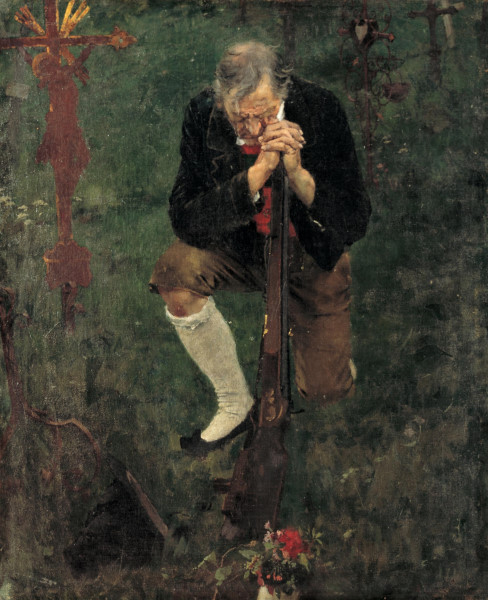
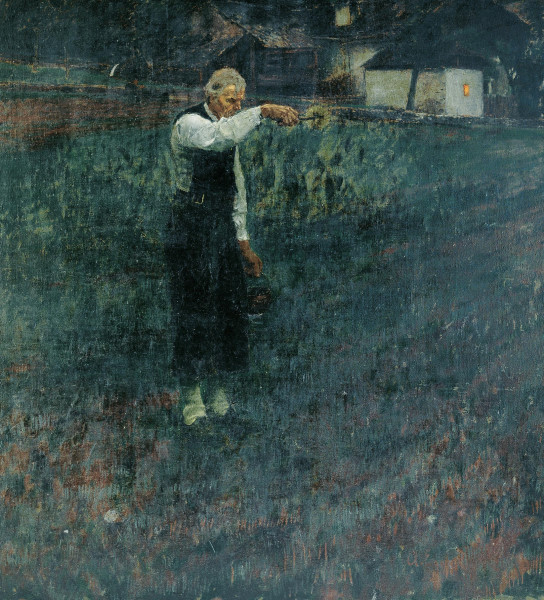
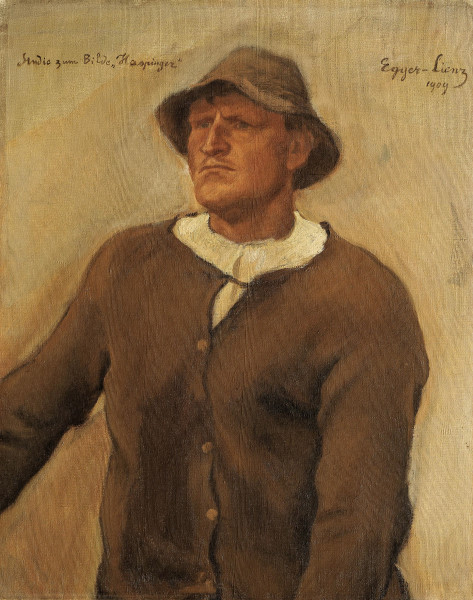
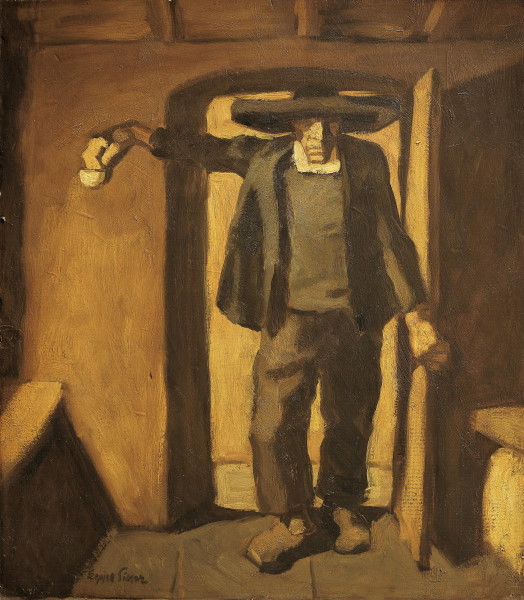
Oil study of the central figure in "Bergmäher", 1907
Oil on canvas 53.5 x 43 cm
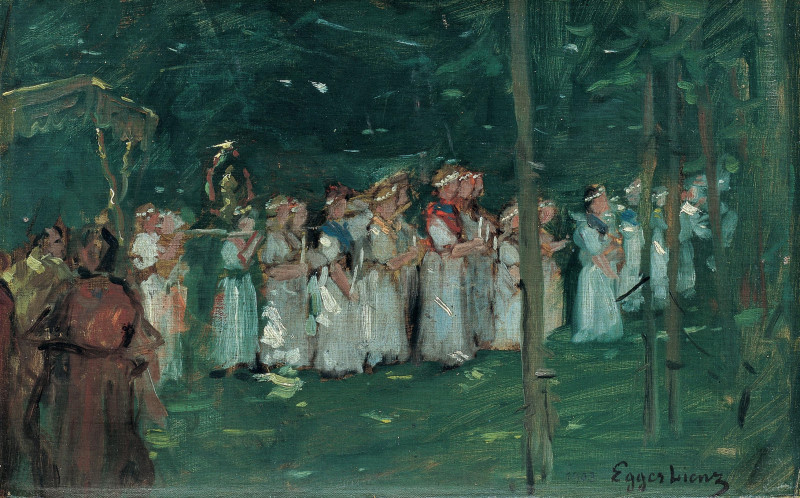
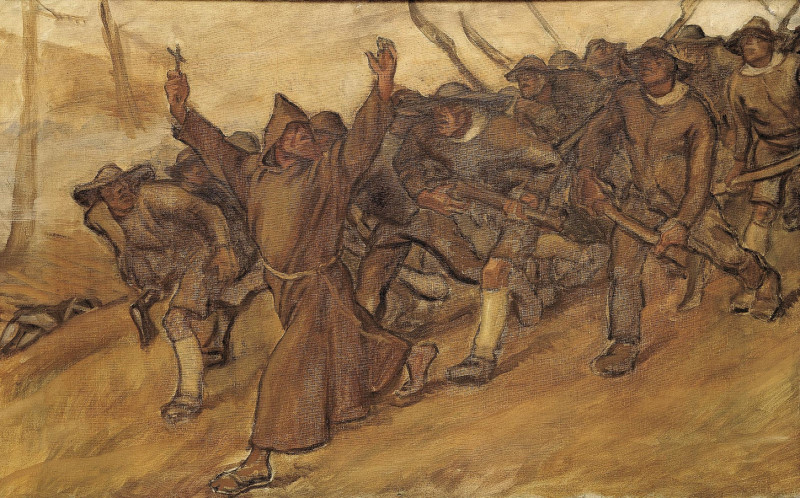
- In 2006, the painting "Totentanz 1809" (5th version, 1921) - purchased in 1938 by the city of Lienz with 5,000 Reichsmark from the "Aryanized" assets of the Jewish owner Melanie Schwarz - returned to the heir, the daughter Herta Fox. After a unanimous decision of the city council under Mayor Johannes Hibler. The auction took place on May 30th at the Dorotheum
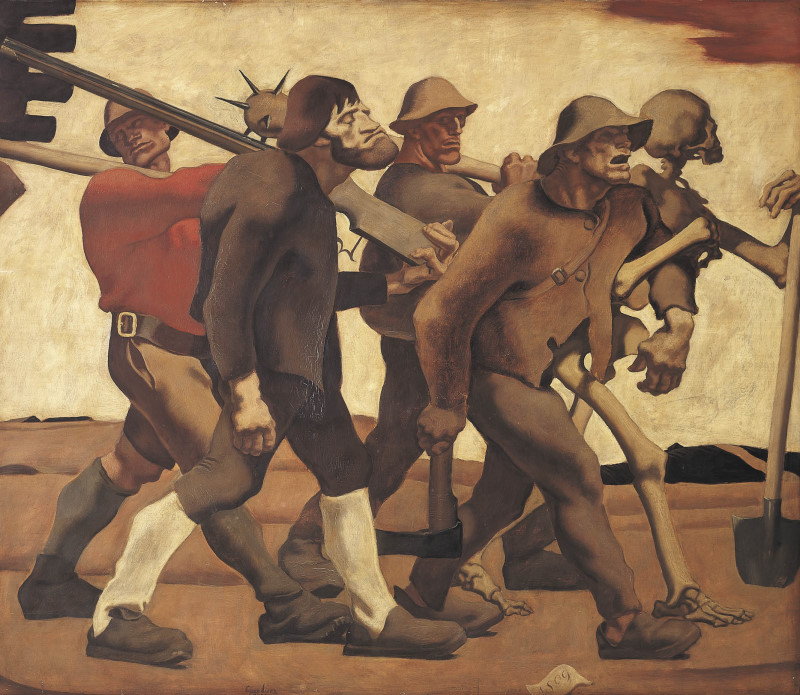
Dance of Death 1809, 1921
Fifth version
Oil on wood, 129.5 x 151 cm
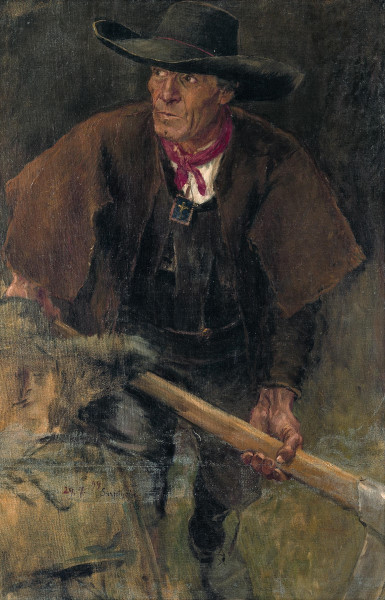
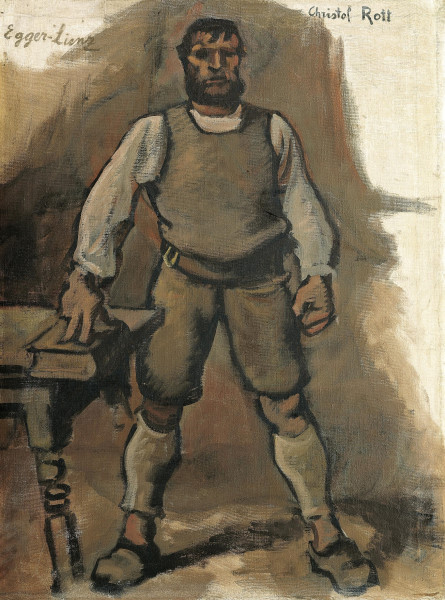
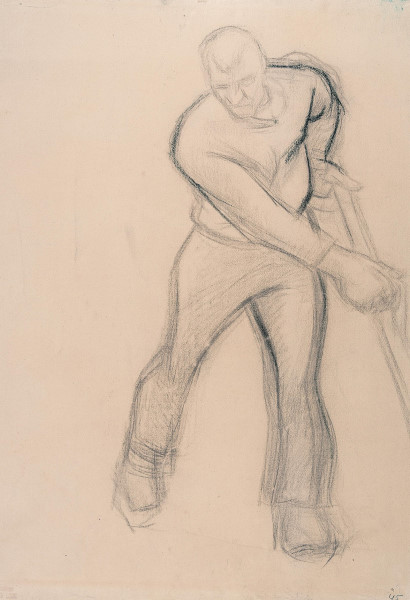
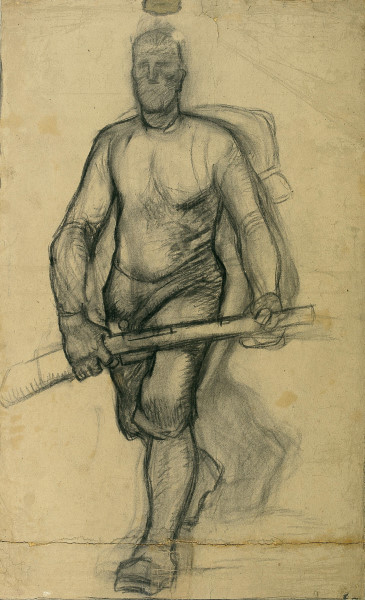
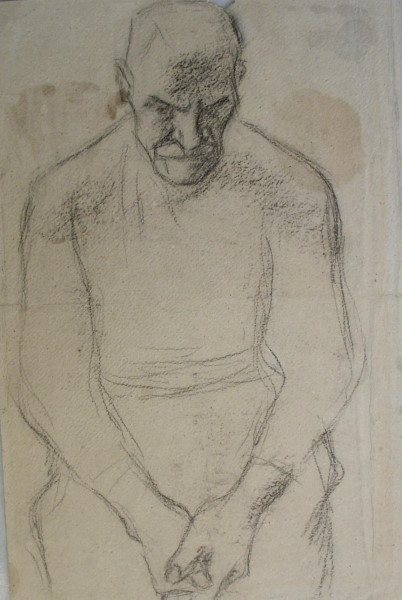
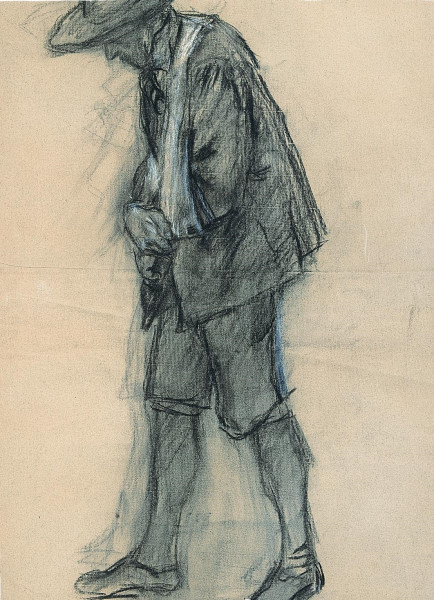
- In 2008, the sketch "Trommler" 1898/1900 (reverse study of a wounded farmer walking to the left for the painting design "After the Peace Treaty") was restituted to Mrs. Liselotte Wertheim, London (heir of Josefine Hirsch) after a unanimous city council decision and subsequently bought back by the owner.
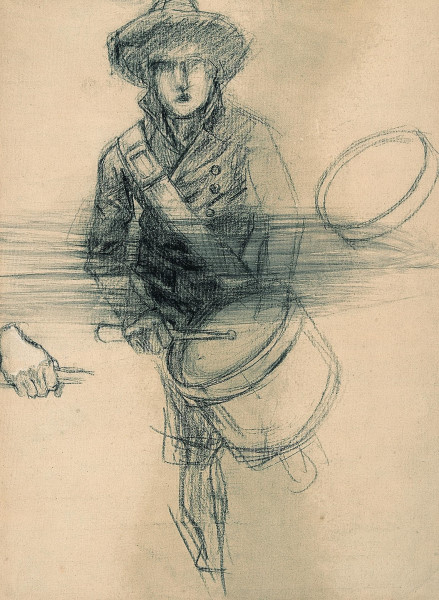
Drummer, 1898/1900
Charcoal, 529 x 387 mm
Reverse study of a wounded farmer walking to the left
Farmer for the painting design "After the Peace Treaty"